Wine Cellar

Core Value

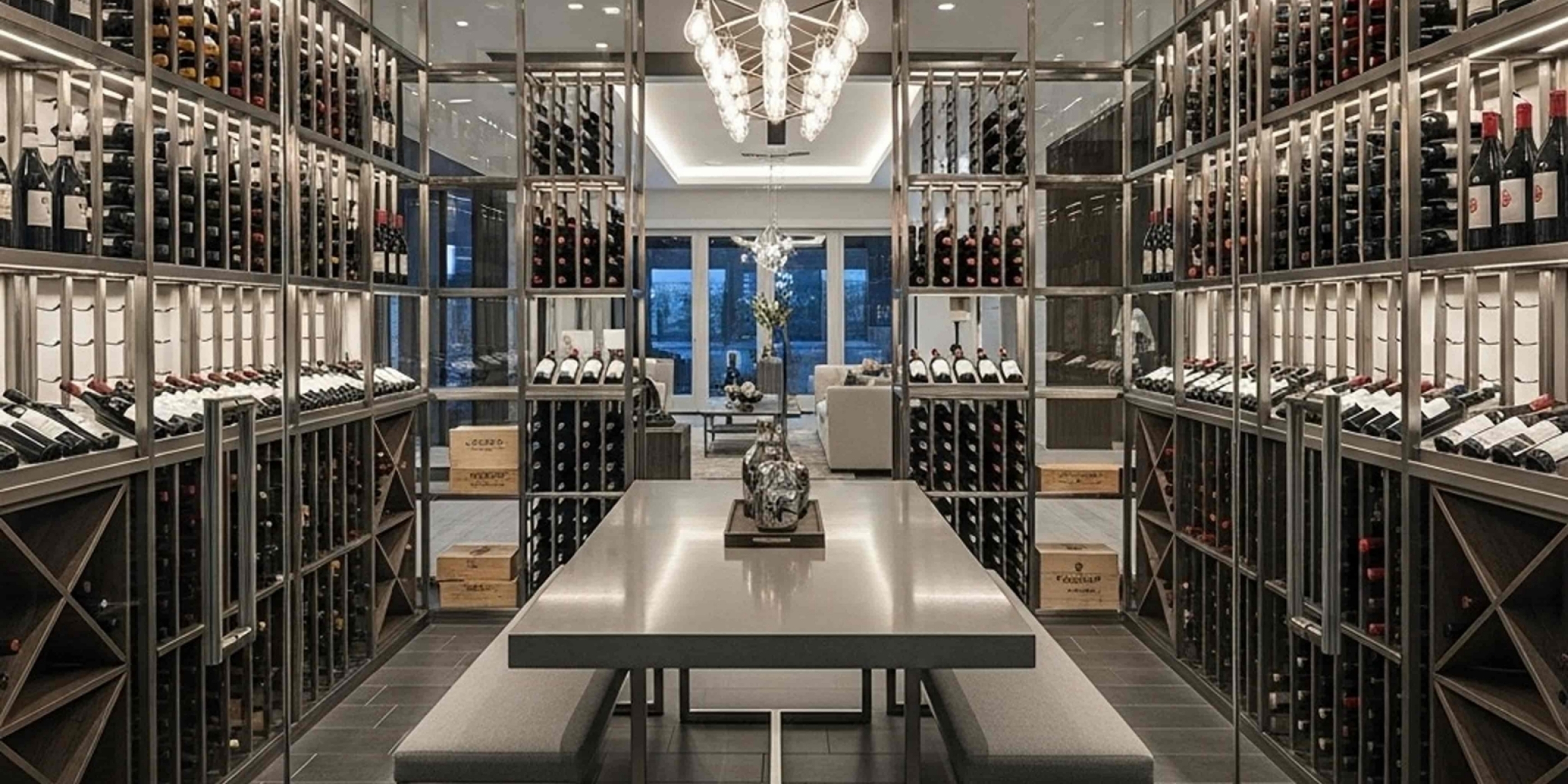
Ultimate Wine Preservation: Engineer-Level / Master-Level Constant Temperature & Humidity Solutions for Wine Cellars


KINS combines professional HVAC expertise, meticulous craftsmanship, and IoT technology to deliver precise “temperature and humidity control,” advanced “insulation systems,” reliable “leak-proof structures,” and an intelligent “monitoring platform.” These features completely resolve common problems found in traditional wine cellars — such as water seepage, unstable humidity, and excessive energy loss — creating a safe, dependable, and long-term stable storage environment for every wine cellar.


Whether it is a residential wine cellar, restaurant wine room, private club collection space, or professional storage facility, we provide a full-cycle service: Consult → Design → Build → Maintain. This ensures every bottle of fine wine is preserved in the safest possible condition.
Before & After Display

Say goodbye to hidden moisture worries. Enjoy constant temperature safety.

Before_1
1

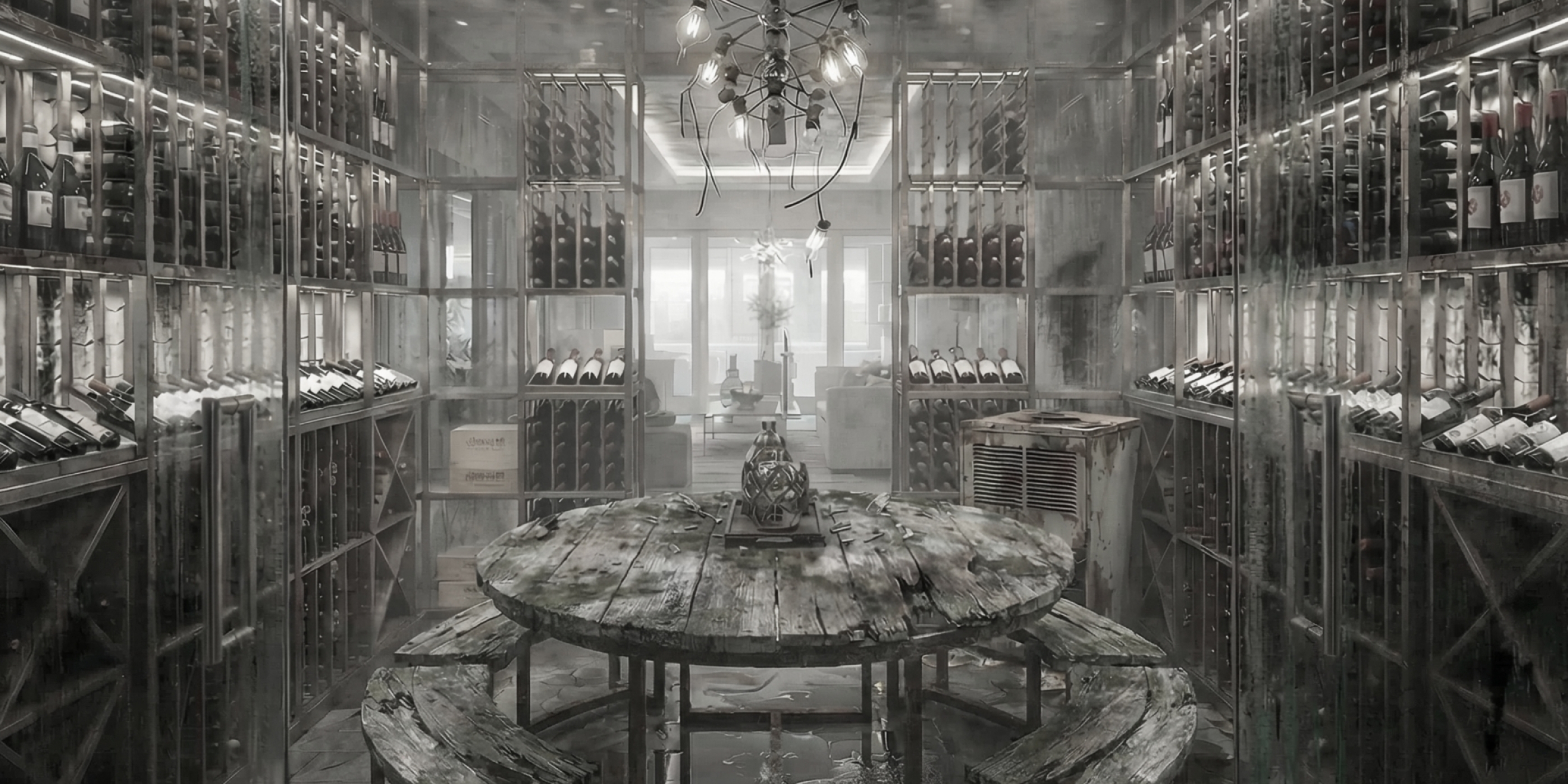
Condensation drips and mold on walls

2

Wall seepage and damp flooring

After_1
1

Constant temperature and humidity (Precision Climate Control)

2

Dry, clean walls and floors

Condensation drips and mold on walls

Wall seepage and damp flooring

Constant temperature and humidity (Precision Climate Control)

Dry, clean walls and floors

Benefits

img-benefit-1
Precision Cooling & Climate Control
  • Constant Temperature (e.g. 12–18°C)
  • Constant Humidity (e.g. 55%–75% RH)
  • Resistant to Hong Kong’s humid climate
  • Prevents temperature fluctuations that cause wine corks to expand and contract
img-showcase-10
Zero-Leakage Insulation
  • Fully sealed insulation layer
  • Prevention of thermal bridging
  • Effectively resolves common issues such as water leakage, wall mold growth, and condensation
  • Suitable for older Hong Kong buildings and spaces with insufficient sealing
img-benefit-2
Automation and Intelligent Control
  • Best Insulation & Sealing Plan
  • Optimal Air Side System Design
  • True Cooling Technology Expertise
  • Full Automation – Control, Logging & Cloud
  • Rich Working Profile & Case Samples
Achievements_img-2
Custom Build & Craftsmanship
  • Tailored design to fit the specific site (layout, airflow, insulation)
  • High-end woodworking and display fixtures (as required)
  • Concealed cooling system
  • Engineer-grade design for moisture-proofing, anti-vibration, and odor/pollution prevention

Project Flow

Project_Flow_1
Step 01

Consult (Preliminary Assessment & Diagnosis)

  • Inspect structure, sources of water leakage, and environmental data
  • Evaluate existing systems and prepare risk reports
  • Define system size based on collection volume and usage habits
Project_Flow_2
Step 02

Design (Tailored Planning)

  • Insulation and waterproofing layer design
  • Airflow and load calculation
  • Selection of temperature and humidity control equipment
  • Planning for electrical, safety, and drainage systems
video-mockup-1
Step 03

Build (Construction)

  • Insulation layer installation
  • Cooling system installation (FCU / dedicated cooling unit)
  • Sensor and alarm system installation
  • Leak-proof flooring and anti-moisture treatment
  • Testing & Commissioning (T&C) until stable operation is achieved
  • Professional construction verification to ensure all components meet the highest engineering standards
video-mockup-3
Step 04

Maintain (Ongoing Support)

  • Regular inspection and cleaning
  • System performance reporting
  • Fault diagnosis and component replacement

Wine Cellar Case Portfolio

08113135-k-cellars-entrance_cover_1599x1066
K Cellars

Project Introduction K Cellars provides storage space for fine wines. The wine cellar is kept at a low temperature all year round. When doors are opened, or during construction, the space is not fully sealed, which easily causes condensation inside. Although a humidifier is installed in the cold room, traditional split-type air-conditioning cannot fully remove moisture. This leads to mould growth at fixed points and even product spoilage or ceiling collapse due to excessive humidity.     By introducing a fresh-air system, the indoor temperature is maintained at 16°C and relative humidity is stabilised at around 65%. This effectively prevents oxidation, mould growth, and label damage caused by overheating, over-drying, or excessive humidity. There is no longer any need to worry about air entering through gaps when doors are opened or closed, and condensation inside the cold room is also avoided. The environment naturally maintains proper humidity and promotes indoor air circulation.   Key Results After the introduction of the fresh-air system, temperature or humidity fluctuations that could negatively affect the flavour of the wine, the wine body, and long-term ageing have been effectively avoided.   Through the pre-cooling and intelligent heat-recovery mechanism, the system significantly reduces the original constant-temperature equipment load. Energy consumption is more than 30% lower than that of traditional wine-cellar air-conditioning systems, resulting in a clear reduction in long-term operating costs.